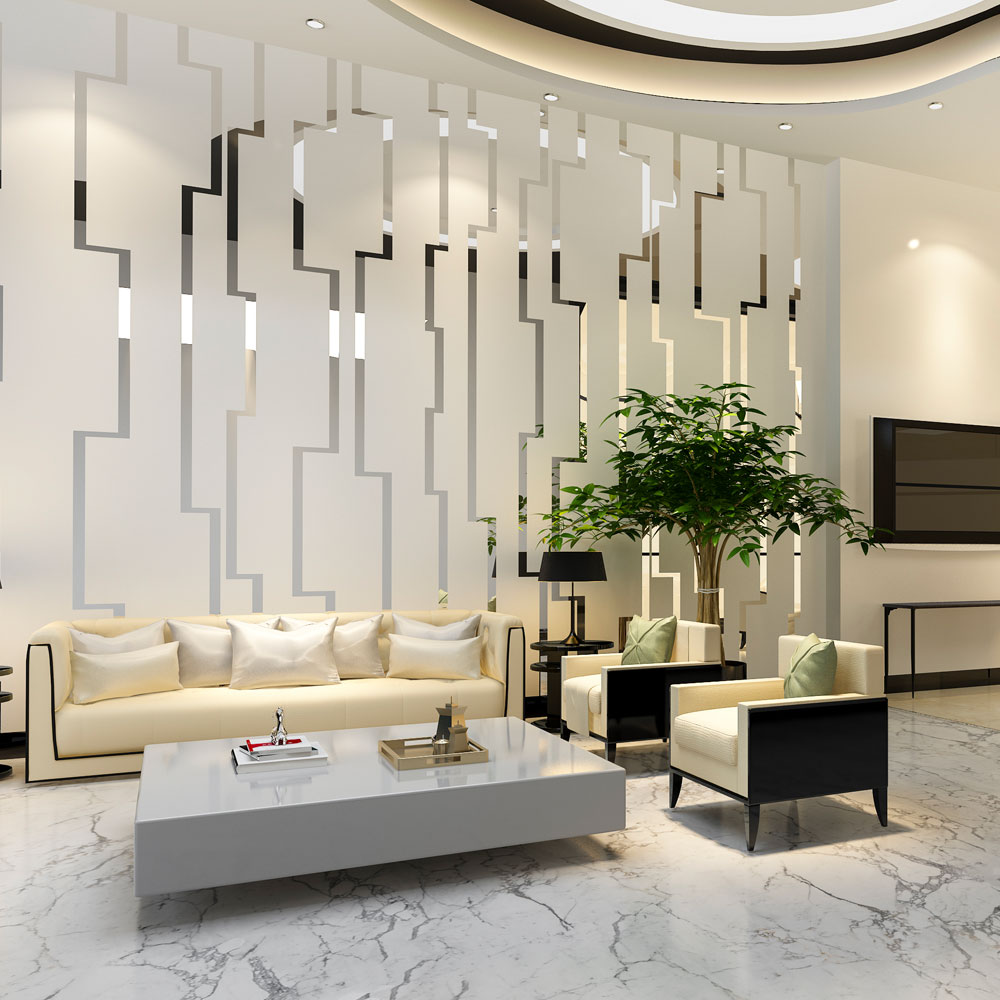
Creative textiles from sankras-uk.uk inspire unique interior design and lasting impressions
- administrator_fd91fd
- 0 Comments
- Creative textiles from sankras-uk.uk inspire unique interior design and lasting impressions
- The Allure of Handcrafted Textiles
- The Role of Natural Fibers
- Inspiring Interior Design with Unique Patterns
- Mixing and Matching Patterns
- The Art of Textile Texture and Dimension
- Understanding Weave Structures
- Sustainable Textiles: A Conscious Choice
- Expanding the Narrative: Textiles as Storytellers
Creative textiles from sankras-uk.uk inspire unique interior design and lasting impressions
The world of interior design is constantly evolving, with a growing appreciation for unique and handcrafted elements. Consumers are increasingly seeking pieces that tell a story, that possess character, and that move away from mass-produced uniformity. This desire has led to a resurgence in the popularity of textiles – not merely as functional components of a room, but as expressive works of art. Amongst the many providers catering to this demand, sankras-uk.uk stands out as a source of truly exceptional creative textiles, inspiring interior designers and homeowners alike to transform spaces into reflections of individual style and enduring quality. Their commitment to innovative designs and meticulous craftsmanship makes them a valuable resource for those seeking to elevate their interior design projects.
The impact of well-chosen textiles extends far beyond aesthetics. They influence the mood of a room, enhance comfort, and contribute to a sense of warmth and invitation. Different textures, patterns, and colors can evoke a range of emotions, from serenity and calm to vibrancy and energy. Selecting the right textiles is, therefore, a crucial step in creating a harmonious and functional living space. A carefully curated collection of fabrics can breathe new life into an existing décor scheme, or serve as the foundation for an entirely new design concept. The ability to blend traditional techniques with contemporary aesthetics is where companies like sankras-uk.uk excel, offering pieces that are both timeless and relevant.
The Allure of Handcrafted Textiles
Handcrafted textiles possess an inherent quality that sets them apart from their machine-made counterparts. This difference lies not only in the visible imperfections – often considered hallmarks of authenticity – but also in the dedication and skill invested in each piece. When a textile is created by hand, it carries with it the energy and intention of the artisan. Every stitch, every dye application, every intricate detail is a testament to human creativity and patience. This translates into a sense of uniqueness that simply cannot be replicated by automated processes. The appeal goes beyond the merely visual; it is about connecting with the story behind the object, understanding the process of its creation, and appreciating the cultural traditions it may represent. These textiles are not just coverings for furniture or windows, but embodiments of artistic expression and cultural heritage.
The Role of Natural Fibers
The foundation of exceptional textiles often lies in the quality of the fibers used. Natural fibers – such as cotton, linen, silk, and wool – offer a wealth of benefits, from their inherent softness and breathability to their sustainable and environmentally friendly properties. Unlike synthetic materials, natural fibers are renewable resources, and they often require less energy and water to produce. Moreover, they tend to be more durable and long-lasting, providing a better return on investment over time. The choice of fiber also impacts the texture and drape of the textile, influencing its overall aesthetic appeal. A skilled artisan understands how to best utilize the unique characteristics of each fiber to create a truly exceptional piece. The tactile experience of a natural fiber textile adds a layer of richness and sophistication to any interior.
The use of natural dyes is also a significant aspect of handcrafted textile production. These dyes, derived from plants, minerals, and insects, offer a depth of color and a subtle variation that is difficult to achieve with synthetic alternatives. Natural dyes are also more environmentally friendly, as they do not contain harmful chemicals that can pollute waterways and damage ecosystems. The process of natural dyeing is often more complex and time-consuming than synthetic dyeing, requiring a deep understanding of the materials and techniques involved. However, the resulting colors are richer, more nuanced, and more likely to withstand the test of time. Choosing textiles dyed with natural pigments is a conscious decision to support sustainable practices and embrace the beauty of natural variation.
| Fiber Type | Characteristics |
|---|---|
| Cotton | Soft, breathable, absorbent, versatile. |
| Linen | Strong, durable, cool, absorbent, wrinkles easily. |
| Silk | Luxurious, smooth, strong, drapes well, delicate. |
| Wool | Warm, resilient, absorbent, flame-resistant, can be itchy. |
Understanding the properties of different fibers empowers designers and consumers to make informed choices, ensuring that the textiles they select are both beautiful and functional. Sourcing responsibly and opting for natural materials is a growing trend, and for good reason.
Inspiring Interior Design with Unique Patterns
Patterns play a pivotal role in interior design, adding visual interest, defining spaces, and creating a sense of rhythm and harmony. Unique and thoughtfully designed patterns can transform a room from bland to breathtaking. The key is to select patterns that complement the overall style of the space and reflect the personality of the homeowner. Geometric patterns can create a modern and sophisticated look, while floral patterns evoke a sense of romance and tranquility. Abstract patterns offer a more artistic and unconventional aesthetic. It is important to consider the scale of the pattern, as well as its color palette, to ensure that it is appropriately balanced within the space. A small-scale pattern might be ideal for a smaller room, while a large-scale pattern can make a bold statement in a larger space. The effective use of pattern is a skill that requires a keen eye for detail and a deep understanding of design principles.
Mixing and Matching Patterns
Many people hesitate to mix patterns, fearing that the result will be visually chaotic. However, when done correctly, mixing patterns can create a dynamic and captivating interior. The secret lies in finding patterns that share a common thread – whether it be a similar color palette, a recurring motif, or a shared style. For example, pairing a floral pattern with a geometric pattern that incorporates some of the same colors can create a harmonious blend. Another technique is to vary the scale of the patterns, using a large-scale pattern on one element and a smaller-scale pattern on another. This helps to create visual balance and prevents the space from feeling cluttered. Don't be afraid to experiment and trust your instincts – the most successful pattern mixing schemes are often those that break the rules.
Sankras-uk.uk provides a diverse array of patterns, from traditional motifs to contemporary designs. These textiles are designed to be versatile, allowing for a wide range of design possibilities. Whether you are looking to create a subtle accent or a bold focal point, their collection offers something to suit every taste and style. The artistry in each piece allows for unique combinations, moving beyond typical pairings and into truly bespoke design.
- Consider the overall color scheme of the room when selecting patterned textiles.
- Look for patterns that share a common element, such as color or motif.
- Vary the scale of the patterns to create visual balance.
- Don't be afraid to experiment and trust your instincts.
The careful integration of patterned textiles can elevate the entire aesthetic of a room, adding depth, personality, and visual interest.
The Art of Textile Texture and Dimension
Beyond pattern and color, texture plays a vital role in creating a rich and inviting interior. Different textures evoke different sensations and can dramatically alter the mood of a space. A smooth, silky texture can create a sense of luxury and sophistication, while a rough, textured fabric can add a touch of rustic charm. Layering textures is a key technique for creating depth and visual interest. Combining smooth and rough textures, for example, can create a dynamic contrast that is both visually appealing and tactilely satisfying. Think about pairing a velvet cushion with a linen throw, or a wool rug with a polished wooden floor. These contrasting textures create a more complex and engaging sensory experience. The subtle differences in surface quality can have a profound impact on how we perceive a space.
Understanding Weave Structures
The weave structure of a textile significantly impacts its texture and durability. Different weaves create different visual and tactile effects. For example, a plain weave is the simplest and most common type of weave, resulting in a smooth and durable fabric. A twill weave creates a diagonal ribbed pattern, offering increased durability and resistance to wear. A satin weave creates a lustrous and smooth surface, often used for luxurious fabrics. Understanding these different weave structures can help you select textiles that are appropriate for their intended use. A tightly woven fabric, for instance, is ideal for upholstery, while a loosely woven fabric might be better suited for curtains or draperies. The choice of weave also impacts the drape and flow of the fabric, influencing its overall aesthetic appeal.
Selecting textiles from sankras-uk.uk means embracing a range of carefully considered weave structures. Their designers prioritize both aesthetic beauty and functional performance, ensuring that each piece is not only visually stunning but also built to last. The commitment to quality materials and expert craftsmanship ensures a long-lasting investment.
- Assess the intended use of the textile before selecting a weave structure.
- Consider the desired level of durability and resistance to wear.
- Think about the aesthetic effect you want to create – smooth, textured, or patterned.
- Look for textiles that are made from high-quality fibers and expert craftsmanship.
The interplay of texture and weave structure is a fundamental aspect of interior design, and mastering this element can elevate a space from ordinary to extraordinary.
Sustainable Textiles: A Conscious Choice
In today's world, sustainability is no longer a trend but a necessity. Consumers are increasingly aware of the environmental and social impact of their purchasing decisions, and they are actively seeking out products that are ethically and sustainably produced. The textile industry, in particular, has a significant environmental footprint, due to the intensive use of water, energy, and chemicals in the production process. Choosing sustainable textiles is one way to reduce this impact. Sustainable textiles are made from renewable resources, such as organic cotton, hemp, and bamboo, and they are produced using environmentally friendly practices. These practices minimize water consumption, reduce chemical use, and promote fair labor standards. Supporting sustainable textile production is an investment in the health of our planet and the well-being of future generations.
Expanding the Narrative: Textiles as Storytellers
Beyond their functional and aesthetic qualities, textiles serve as powerful storytellers, connecting us to cultures, traditions, and histories. Each weave, dye, and embellishment carries a narrative, reflecting the skill and artistry of its creator and the unique context of its origin. Consider the intricate embroidery of a traditional Indian sari, or the bold geometric patterns of a Moroccan rug. These are not simply decorative elements; they are embodiments of cultural identity and artistic expression. When we choose textiles, we are not just selecting fabrics; we are inviting these stories into our homes and incorporating them into our own personal narratives. A thoughtfully chosen textile can become a cherished heirloom, passed down through generations, carrying with it the memories and experiences of those who have treasured it.
As consumers, we have the power to support artisans and communities who are committed to preserving these traditional crafts. By seeking out textiles that are ethically sourced and handcrafted, we can help ensure that these valuable skills and traditions continue to thrive. The enduring beauty and artistry of these textiles are a testament to the power of human creativity and the importance of cultural preservation. Supporting businesses that prioritize these values is essential for a more sustainable and culturally rich future.