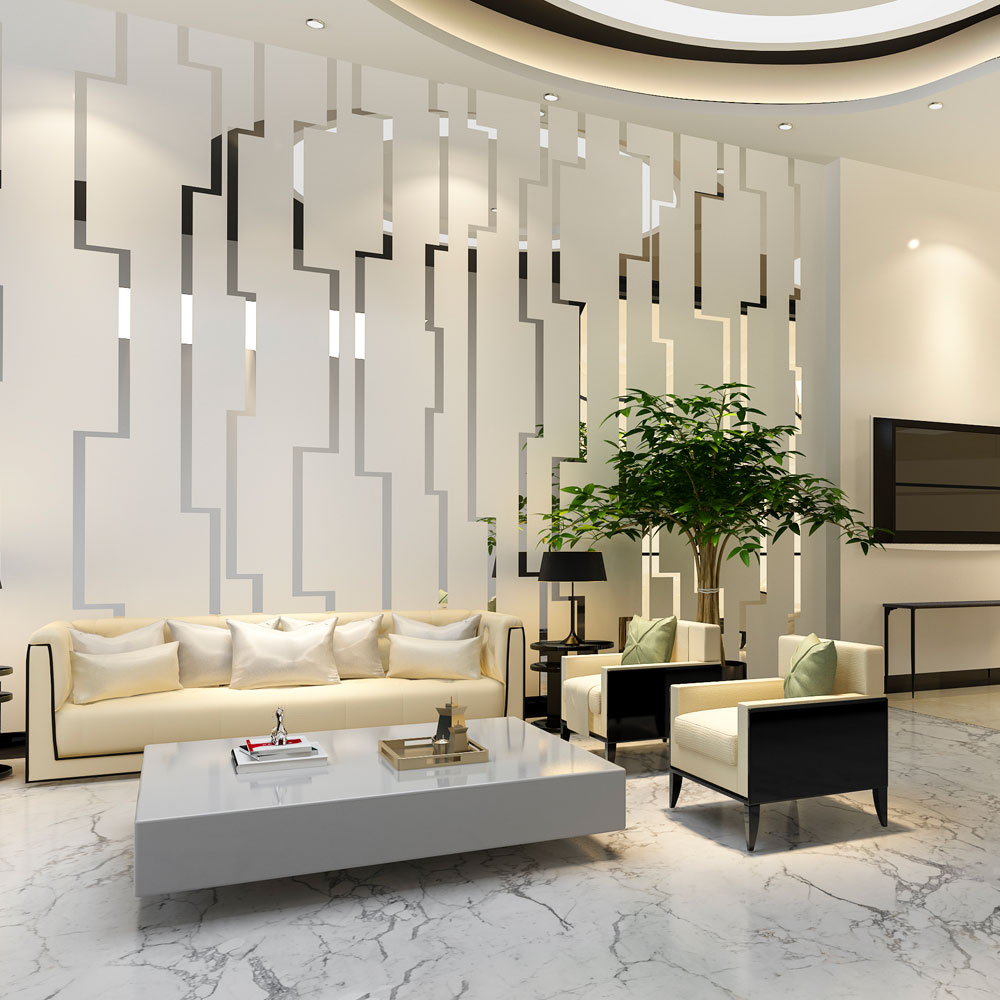
Elegant designs surrounding https://thespinking.co.uk for memorable celebrations
- administrator_fd91fd
- 0 Comments
- Elegant designs surrounding https://thespinking.co.uk for memorable celebrations
- The Evolution of Contemporary Event Aesthetics
- Integrating Digital Inspiration into Physical Spaces
- The Role of Texture and Materiality in Design
- Achieving Sensory Harmony
- Strategic Planning for Large-Scale Celebrations
- Steps to a Seamless Execution
- The Impact of Lighting on Atmospheric Depth
- Curating the Perfect Guest Experience
- The Intersection of Art and Occasion
Elegant designs surrounding https://thespinking.co.uk for memorable celebrations
Creating a lasting impression during life transitions requires a meticulous attention to aesthetic detail and emotional resonance. When individuals seek to mark these significant milestones, they often turn to specialized digital platforms that offer inspiration and tangible resources for high-end event planning. The sophisticated approach offered by https://thespinking.co.uk provides a unique perspective on how modern celebrations can blend traditional elegance with contemporary design sensibilities. By focusing on the nuances of color, texture, and thematic unity, organizers can transform a standard gathering into an immersive experience that guests will discuss for years to come. This level of curation ensures that every element, from the smallest stationery item to the largest floral installation, works in perfect harmony to tell a cohesive story.
The art of celebration is not merely about the logistics of hosting a crowd but about the atmosphere created through intentional design choices. Every successful event relies on a foundation of careful planning and a deep understanding of the desired mood. Whether the goal is a serene garden party or a grand ballroom gala, the visual language used must be consistent and evocative. Achieving this balance requires a keen eye for detail and an appreciation for the subtle ways in which light, space, and material interact. As more people look toward digital spaces for creative guidance, the importance of finding reliable sources for premium design inspiration becomes increasingly paramount for those who demand nothing less than excellence in their personal celebrations.
The Evolution of Contemporary Event Aesthetics
In recent years, the landscape of social gatherings has undergone a profound transformation driven by a desire for authenticity and personalization. Gone are the days when cookie-cutter themes and generic decorations sufficed to impress a discerning audience. Today, the most successful hosts prioritize a sense of narrative, ensuring that every aspect of the event reflects the personality and history of the individuals being celebrated. This shift toward bespoke experiences has elevated the role of the designer from a mere decorator to a storyteller who uses visual elements to communicate deep-seated values and emotions. The integration of digital tools and social media has further accelerated this trend, allowing for a rapid exchange of avant-garde ideas and high-concept styling techniques.
As we move further into an era of hyper-personalization, the demand for unique textures and unconventional color palettes has grown significantly. Designers are now looking beyond standard floral arrangements to incorporate architectural elements, sculptural lighting, and mixed-media installations that challenge traditional notions of beauty. This evolution is not just about being different for the sake of novelty; it is about finding new ways to evoke specific feelings and create lasting memories. The pursuit of excellence in design requires a constant exploration of new materials and a willingness to experiment with unexpected combinations that create a sense of wonder and awe among attendees.
Integrating Digital Inspiration into Physical Spaces
The bridge between digital concept and physical reality is where the most magical transformations occur. Utilizing online platforms like https://thespinking.co.uk allows planners to build mood boards that serve as the blueprint for their physical environments. These digital repositories of style allow for a more granular level of planning, where color swatches, fabric samples, and lighting schemes can be visualized long before the first vendor is booked. This preparatory phase is crucial for ensuring that the final result is not just a collection of pretty objects, but a unified sensory experience that feels intentional and grounded.
Furthermore, the ability to share these digital visions with clients and collaborators fosters a sense of transparency and shared purpose. When everyone involved in the production process is aligned with the same aesthetic direction, the risk of miscommunication is drastically reduced. This collaborative spirit is essential when managing complex projects that involve multiple moving parts, such as catering, entertainment, and venue management. By leveraging the power of digital visualization, designers can push the boundaries of what is possible, turning even the most challenging spaces into canvases for artistic expression.
| Design Element | Traditional Approach | Modern Sophistication |
|---|---|---|
| Color Palette | Monochromatic or standard pastels | Complex tonal layering and unexpected accents |
| Floral Design | Structured bouquets and centerpieces | Organic, sculptural, and immersive installations |
| Lighting | Basic ambient lighting and spotlights | Customized light art and atmospheric layering |
| Table Scape | Standard linens and matching cutlery | Mixed textures, artisanal ceramics, and custom stationery |
The transition from traditional to modern styles is clearly visible in how different components of an event are integrated. While traditional methods focused on symmetry and classic elegance, modern sophistication embraces asymmetry, movement, and a more relaxed yet highly curated feeling. This does not mean that formality is lost, but rather that it is redefined through a lens of contemporary art and high fashion. The result is an environment that feels both timeless and cutting-edge, capable of hosting diverse types of celebrations with grace and style.
The Role of Texture and Materiality in Design
While color often grabs the initial attention, it is the texture and materiality of an event that provides its soul. The tactile experience of a celebration—the weight of a heavy linen napkin, the coolness of a marble tabletop, or the softness of velvet upholstery—contributes significantly to the perceived luxury of the occasion. When designers consider the physical touchpoints of an event, they are essentially crafting the sensory memory of the guests. A thoughtful selection of materials can elevate a simple setting into something that feels rich, layered, and deeply sophisticated. This approach requires a deep understanding of how different surfaces interact with light and how they feel against the skin.
In the context of modern design, there is a growing movement toward using natural and raw materials in a highly refined manner. This involves taking elements like unpolished stone, reclaimed wood, or hand-woven textiles and presenting them in a way that highlights their inherent beauty. This juxtaposition of the organic and the manicured creates a compelling tension that is central to contemporary high-end aesthetics. By focusing on the quality and origin of the materials used, hosts can also signal a commitment to craftsmanship and sustainability, which are increasingly important values in today's global culture.
Achieving Sensory Harmony
Sensory harmony is achieved when all the different inputs of an event—sight, sound, smell, touch, and even taste—work together toward a single objective. For example, a winter-themed celebration might utilize heavy fabrics, the scent of cedar and spice, and warm, flickering candlelight to create a sense of cozy intimacy. Conversely, a summer garden event might focus on light, airy silks, the scent of fresh jasmine, and a bright, natural light palette to evoke a feeling of effortless joy. The key is to ensure that no single sense is overwhelmed and that every element reinforces the overarching theme.
- Selecting fabrics that complement the architectural style of the venue.
- Using scent as a subtle but powerful tool to anchor a specific mood.
- Coordinating the acoustics of a space to enhance the musical atmosphere.
- Ensuring the weight and feel of tableware match the formality of the meal.
- Layering lighting to create depth and avoid flat, uninspiring shadows.
When these elements are meticulously aligned, the result is a seamless experience that feels both natural and extraordinary. This level of detail is what separates a standard event from a truly memorable one. It requires a designer to think beyond the visual and consider the entire experience of being present in the space. This holistic approach is what allows for the creation of environments that do not just look good in photographs but feel incredible to inhabit in person.
Strategic Planning for Large-Scale Celebrations
Managing a large-scale celebration is a complex feat of logistics that requires a highly organized and strategic mindset. As the guest list grows and the scope of the production expands, the margin for error becomes increasingly slim. A successful planner must be able to balance the creative vision with the practical realities of budget, timing, and vendor management. This involves not just booking services, but orchestrating a symphony of professionals who must all perform their roles with precision. The ability to foresee potential challenges and have contingency plans in place is the hallmark of a true professional in this field.
One of the most critical aspects of large-scale planning is the management of the timeline. Every minute of the event must be accounted for, from the arrival of the first guest to the final departure of the last. This includes the setup time, the transition between different phases of the event, and the breakdown process. A well-structured timeline prevents bottlenecks, ensures that the program flows naturally, and minimizes stress for both the hosts and the staff. Without a clear roadmap, even the most beautiful design can be undermined by poor timing and logistical chaos.
Steps to a Seamless Execution
- Define the core concept and aesthetic direction with all key stakeholders.
- Develop a comprehensive budget that allocates resources to high-impact areas.
- Secure premium vendors who align with the desired quality and style.
- Create a minute-by-minute production schedule for the event day.
- Conduct on-site walkthroughs to finalize spatial layouts and lighting.
Following a structured approach like this allows for a level of control that is necessary when dealing with high-stakes occasions. It also provides a framework that can be adapted as the planning progresses and new ideas emerge. The goal is to create a process that is as elegant as the event itself, where the planning phase builds momentum and excitement rather than anxiety. By staying disciplined and focused on the strategic objectives, planners can ensure that the creative vision is realized without compromise.
The Impact of Lighting on Atmospheric Depth
Lighting is perhaps the most undervalued tool in the arsenal of a designer, yet it has the most immediate impact on the emotional quality of a space. It has the power to change the entire mood of a room in an instant, turning a bright, functional space into a moody, intimate sanctuary. Effective lighting design is not about simply making sure people can see; it is about using light and shadow to create depth, focus, and drama. A master of lighting understands how to use different types of light—ambient, task, and accent—to guide the eye and direct the energy of the guests.
In high-end celebrations, the use of custom lighting installations can serve as a centerpiece in its own right. Whether it is a cascading arrangement of crystal pendants or a series of sculptural neon elements, lighting can act as a visual anchor for the entire event. Moreover, the color temperature of the light plays a vital role in how the decor is perceived. Warm tones can create a sense of comfort and luxury, while cooler tones can lend a modern, sophisticated, and even slightly ethereal quality to a setting. The interplay between light and the various textures mentioned earlier can create a dynamic environment that changes as the evening progresses.
Furthermore, the integration of smart lighting technology allows for real-time adjustments to the atmosphere. As the event moves from a formal dinner to a high-energy dance party, the lighting can shift seamlessly to match the changing tempo. This fluidity is essential for maintaining the momentum of a celebration and ensuring that the environment always feels appropriate for the current moment. When lighting is used with intention, it becomes an invisible yet powerful force that shapes the entire guest experience, elevating the design from a static display to a living, breathing entity.
Curating the Perfect Guest Experience
While the visual aspects of an event are undoubtedly important, the ultimate measure of success is how the guests feel throughout the experience. A truly memorable celebration is one where every guest feels considered and valued, from the moment they receive their invitation to the moment they depart. This requires a level of hospitality that goes beyond mere politeness; it requires a proactive approach to guest comfort and engagement. This means thinking about everything from the ease of navigation within the venue to the quality of the refreshments and the pacing of the entertainment.
Designing for the guest experience also involves considering the social dynamics of the group. A well-planned event provides various "zones" or areas that cater to different social needs—intimate spaces for quiet conversation, larger areas for group interaction, and energetic spaces for movement and dancing. By providing these diverse environments, the host ensures that every guest can find a way to connect and enjoy themselves according to their own personality and comfort level. This thoughtful approach to spatial design is a key component of high-level event curation.
As we look toward the future of luxury celebrations, the emphasis on the guest journey will only continue to grow. The integration of personalized digital elements, such as bespoke event apps or interactive installations, will offer even more ways to engage and delight. However, the core principles of hospitality—warmth, attention to detail, and seamless execution—will always remain the foundation of any successful gathering. By combining these timeless values with cutting-edge design and technology, hosts can create experiences that are not just beautiful, but deeply impactful and profoundly human.
The Intersection of Art and Occasion
The most profound celebrations are those that transcend the boundaries of mere social gatherings and enter the realm of performance art. When a designer treats a venue as a stage and the guests as part of an immersive narrative, the resulting experience is nothing short of transformative. This requires a willingness to take risks and a commitment to a vision that might challenge conventional expectations. It is in this space of creative bravery that the most iconic and enduring celebrations are born, leaving a mark on the hearts and minds of those who attend.
As the world becomes increasingly digital and transient, the value of these highly crafted, physical moments of connection grows. People are hungry for experiences that feel substantial, intentional, and deeply beautiful. Whether it is a wedding, an anniversary, or a milestone gala, the desire to surround oneself with beauty and meaning is a fundamental human impulse. By leaning into the artistry of design and the precision of professional planning, we can ensure that these precious moments are celebrated with the dignity and splendor they deserve, creating a legacy of elegance that lasts a lifetime.